
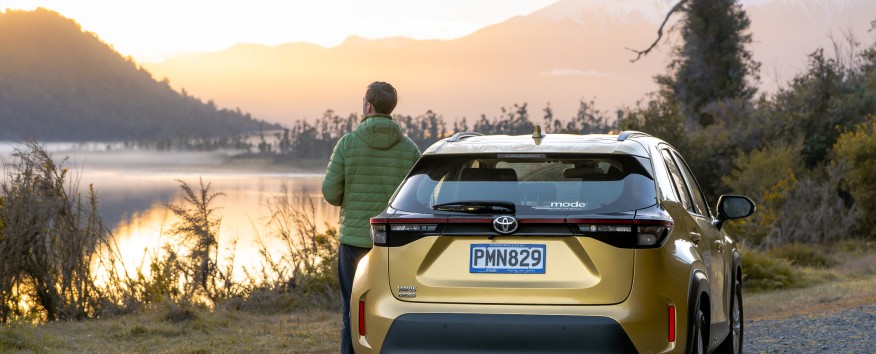
Before you hit the road in New Zealand, it’s natural to have a few questions (or a dozen!). Whether you’re a first-time visitor, a seasoned road tripper, or a local brushing up on the rules, this FAQ guide is here to help. We’ll cover everything from licence requirements and Kiwi road rules to tips for the best type of car for your journey. At Mode Rentals, we believe driving should be easy and safe, so we’ve packed this guide with practical advice, local insights and answers to the most common questions about driving in Aotearoa.
What do I need to drive in New Zealand? (Licences & Permits)
To drive legally in New Zealand, you’ll need a valid driver’s licence from your home country. If your licence isn’t in English, you must also carry an International Driving Permit (IDP) or an official translation. You can drive for up to 12 months from your date of arrival on your overseas licence. Always carry your licence (and IDP if required) when driving, police may ask to see it at any time. If you’re planning a longer stay, you’ll need to convert your licence to a New Zealand one. Remember, rental companies like Mode Rentals may have their own requirements, so check before you book.
What are the key road code rules?
New Zealand’s road rules are designed to keep everyone safe, whether you’re cruising city streets or winding through mountain passes. Always drive on the left side of the road, obey speed limit signage (usually 100 km/h on highways and 50 km/h in towns). Always wear your seatbelt. Don’t use your mobile phone while driving unless it’s hands-free. Never drive under the influence of alcohol or drugs. Give way at intersections as signposted and remember: at roundabouts, give way to traffic from your right. Overtaking is only allowed when it’s safe and legal. Never cross a solid yellow line. If you see flashing red and blue lights behind you, pull over safely for the police.
Is it harder to drive in NZ?
Driving in New Zealand can feel different and sometimes trickier, especially if you’re used to wide, straight highways. Many roads here are narrow, winding, and can be steep, particularly in rural or mountainous areas. Weather can change quickly, and you might encounter gravel roads, one-lane bridges, or livestock on the move. But with a little preparation and a relaxed pace, most visitors find driving here enjoyable and rewarding. Take your time, plan for extra travel time between destinations, and pull over for breaks or to let faster vehicles pass. If you’re new to driving on the left, take it slow at first and consider sharing the driving if you’re travelling with others. With Mode Rentals’ reliable vehicles and 24/7 roadside assistance, you’ll have extra peace of mind wherever your adventure takes you.
What is the 3-second rule driving in NZ?
The “3-second rule” is a simple but vital safety tip for driving in New Zealand. It means you should always keep at least a three-second gap between your vehicle and the one in front. Here’s how it works: pick a roadside marker or sign as the car ahead passes it, then count “one thousand and one, one thousand and two, one thousand and three.” If you reach the marker before you finish counting, you’re too close, ease back a little. This rule helps you react safely to sudden stops or hazards, especially on winding or wet roads. In poor weather or at higher speeds, increase the gap to four or more seconds.
What is the left-hand rule in New Zealand?
In New Zealand, “the left-hand rule” refers to two key things: always drive on the left side of the road, and at intersections, give way to vehicles coming from your right unless signs or signals say otherwise. At roundabouts, traffic flows clockwise, and you must give way to vehicles already on the roundabout (coming from your right). When turning left, check for cyclists and pedestrians; they have the right of way. If you’re used to driving on the right, it can take a little getting used to, so take extra care at intersections and when pulling out onto roads.
Is it difficult for Americans to drive in New Zealand?
For Americans, the biggest adjustment is driving on the left and sitting on the right side of the car. Road signs use international symbols, but distances are in kilometres, and speed limits are posted in km/h. Many rural roads are narrower and more winding than US highways, and you’ll encounter more one-lane bridges and roundabouts. Take it slow at first, especially after a long flight! Most Americans adapt quickly and find driving in New Zealand to be a highlight of their trip, especially with the freedom to explore off-the-beaten-path destinations.
What type of car is best for driving in NZ?
The best car for your New Zealand adventure depends on your plans. For city breaks or short trips, a compact car is fuel-efficient and easy to park. If you’re road-tripping with friends or family, consider a spacious SUV or a people-mover for comfort and luggage space. Planning to explore remote areas or tackle gravel roads? An SUV or 4WD offers extra confidence. For solo travellers or couples, a hatchback is a great all-rounder. All Mode Rentals vehicles are well-maintained and suited to New Zealand’s diverse conditions. If you’re unsure, our local team can recommend the perfect ride for your journey.
What is the most important road rule in New Zealand?
If you remember just one rule, make it this: always drive on the left side of the road. It’s the foundation of safe driving in New Zealand and underpins every other road rule. Beyond that, always wear your seatbelt, obey speed limits, and never drive under the influence. Respecting these basics keeps you and others safe and helps you avoid fines or accidents. New Zealand’s roads are beautiful but can be challenging, so stay alert, take regular breaks, and drive to the conditions.
Can you turn left on a red light in New Zealand?
No, you cannot turn left on a red light in New Zealand; this is different from some countries like the United States. You must wait for a green light before turning left at traffic signals. Always check for pedestrians and cyclists before turning, even when the light is green. Obeying traffic signals is essential for everyone’s safety, and police enforce these rules strictly.
Ready to hit the road? Your New Zealand adventure awaits!
Now that you’ve got the answers to the most common driving FAQs, you’re ready to explore New Zealand with confidence. Whether you’re chasing waterfalls, winding through mountain passes, or discovering hidden gems, Mode Rentals is here to make your journey easy, safe, and memorable. Browse our range of rental vehicles and find the perfect car for your adventure, whatever your mode.